ROCK ART · HONGSHAN CULTURE · INDUS SEAL STUDIES
Fertility Worship and Protective Symbolism in Hongshan Rock Art
Edited by : TJ
This exhibition-style article presents the website’s research on fertility-related imagery in Hongshan rock art from the Chifeng region of northern China.
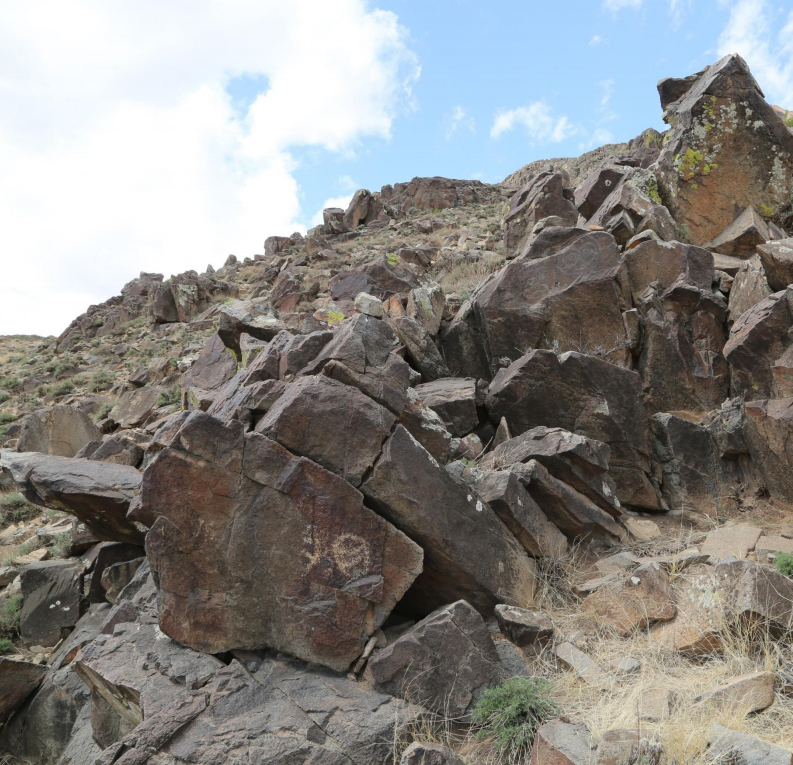
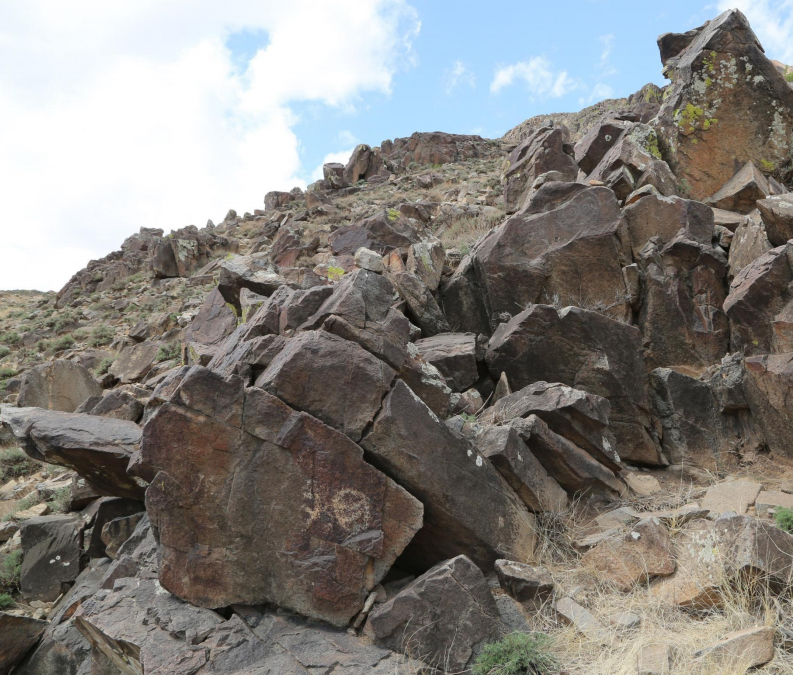
Figure 2.10, a rock-art setting associated with fertility and symbol combinations.OverviewScientific PositionFigure StudiesIndus SealsConclusionReferences
OVERVIEW
Fertility as Ritual Memory
Fertility worship occupies a central place in the symbolic repertoire of Hongshan Culture rock art. For Neolithic communities living in northern China approximately 6,500–5,000 years before present, birth, death, descent, and the survival of the community were not isolated biological events; they were embedded in ritual practice, collective memory, and social organization.
The rock panels discussed here repeatedly combine human faces, branch-like head forms, eye motifs, arrow-like signs, animal offerings, and anthropomorphic figures. In the website’s research framework, these elements are interpreted as visual expressions of birth, protection, ancestry, and renewal. The images do not need to be treated as fully developed writing in order to be historically meaningful: they may instead be understood as a proto-symbolic system through which early communities encoded ritual concerns and transmitted cultural knowledge.
6500–5000 BPApproximate chronological frame of Hongshan Culture sites discussed in the source material.
Chifeng RegionKangjiawanzi, Luotuojingzi Mountain, Sanzuodian, and related rock-art localities.
Key ThemesBirth, growth, offspring, ancestor invocation, protective power, and ritual offering.
Comparative LensHongshan rock art is compared with Indus seals as an early sign-bearing visual tradition, not as a direct textual equivalent.
SCIENTIFIC POSITION
How to Read the Symbols Carefully
The term “fertility worship” is used here as an archaeological and anthropological category. It refers to symbolic practices that express concern for reproduction, infant survival, group continuity, and the protection of life. In prehistoric contexts, such practices often appear together with ancestor veneration, animal offerings, protective signs, and ritualized depictions of the human body.
The importance of the Hongshan panels lies not only in whether a single sign can be matched with a later character, but in the repeated visual logic connecting faces, growth, offspring, ancestors, danger, and ritual protection.
FIGURE STUDIES
Selected Panels and Refined Interpretations
1. The Sheng-Style Human Face: Birth, Growth, and Vital Emergence
Figure 2.6Figure 2.7Kangjiawanzi · Luotuojingzi MountainHuman-face motif
Figure 2.6: Petroglyph identified in the source material as a “Sheng” sphinx or human-faced motif.
Original line drawing preserved from the source document.
The first group of images presents a human-faced petroglyph that the source study associates with the idea of sheng 生, meaning birth, life, or growth. The human face is central: it transforms the abstract idea of growth into a personified image. Rather than treating this as a literal written word, the motif can be described more precisely as a Sheng-style fertility image—a visual form in which facial identity and upward growth are combined.
Figure 2.7: Human-face petroglyph from Luotuojingzi Mountain, Balin Right Banner.
Line drawing emphasizing the branch-like lines radiating from the head.
In Figure 2.7, the branch-like lines rising from the crown of the head are especially important. They may be read as a visual metaphor for sprouting, growth, or the emergence of life. Within a Neolithic ritual context, such imagery plausibly expressed hopes for reproduction and the continuation of the lineage.
2. Endless Vitality: Birth Motifs, Arrows, and Protective Eyes
Figure 2.8Sanzuodian · Songshan District60 cm × 101 cm panelProtection during birth
Figure 2.8: Rock-art panel described in the source material under the theme “Endless Vitality.”
Line drawing showing the proposed compound birth/growth motif, arrow-like sign, and eye motifs.
Compound signbirth/growth
Arrow-like signprotection
Eye motifwatching force
Eye pairritual gaze
Eye pairprotective reading
Combined eyessymbol cluster
This panel is interpreted by the source research as a compound fertility scene. The central sign, understood as a doubled or layered form related to birth and growth, is associated with “endless vitality.” The arrow-like element may represent a protective instrument. The multiple eye motifs may symbolize watchfulness, the presence of unseen powers, or the ritual need to guard childbirth from danger.
A scientifically careful reading does not require assuming that every mark is a stable written character. The panel can instead be viewed as an integrated ritual composition: growth is placed beside signs of defense and watching, suggesting that birth was imagined as both a creative and vulnerable process.
3. The Fertility Worship Diagram: Human Agency and Supernatural Protection
Figure 2.9Luotuojingzi MountainAnthropomorphic fertility totemHuman figures · Eye symbols
Figure 2.9: Rock-art panel combining a central anthropomorphic motif, human figures, and eye forms.
Line drawing from the original document, preserving the source interpretation layout.
Central totemSheng-style
Human pairunion
Human figureprocreation
Eye signwatching
Dual eyesritual gaze
Figure 2.9 brings together a central fertility image and human figures that the source study interprets as representing procreation. The eyes located in the same composition add a second layer of meaning. They may reflect fear of harmful forces, concern for the safety of childbirth, or belief in a supernatural gaze overseeing human reproduction.
It links human action, fertility symbolism, and protective imagery into a single visual field. Such a structure suggests that reproduction was understood not only as biological union, but also as an event requiring ritual protection.
4. The Offspring-Praying Scene: Faces, Descendants, Ancestors, and Offering
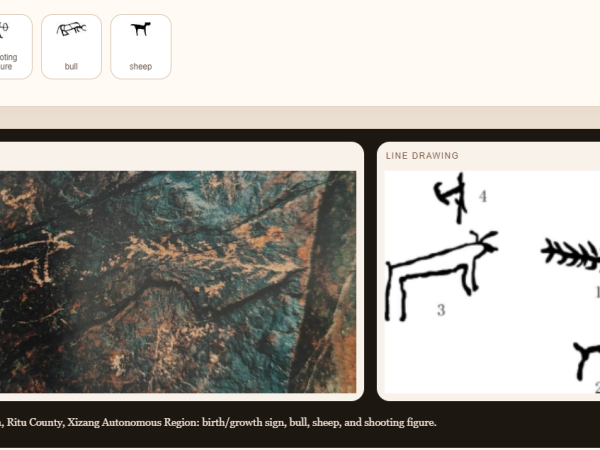
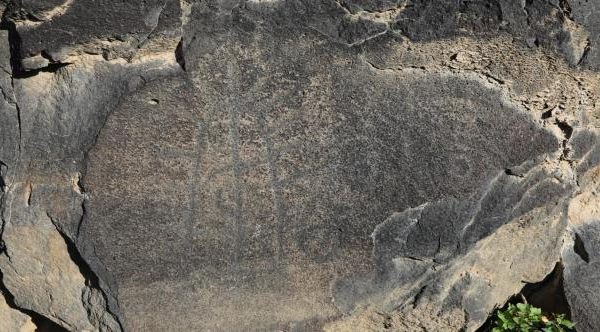
Figure 2.10Luotuojingzi MountainOffspring-praying imageSheep offering
Original close-up visual material associated with Figure 2.10.
Line drawing preserving the numbered composition: human-faced images, growth-style signs, offspring, ancestor, and sheep.
Human face 1anthropomorphic
Human face 2anthropomorphic
Sheng-style facegrowth
Sheng-style facegrowth
Zi-style signoffspring
Zu-style signancestor
Sheepoffering
The source material identifies this scene as an “offspring-praying picture.” Its symbolic structure is rich: facial motifs represent human or ancestral presence; growth-style signs suggest fertility; a proposed offspring sign points to descendants; a proposed ancestor sign invokes lineage continuity; and the sheep is interpreted as a sacrificial offering.
This combination is one of the clearest examples of how fertility and ancestor worship may overlap in Hongshan rock art. The ritual logic is not merely “birth” in a biological sense, but the continuity of a social group through descendants, ancestral blessing, and offerings.
5. Affairs of Procreation: Divination and the Arrow as Protective Force
Figure 2.11Sanzuodian · Songshan DistrictBirth · Divination · Arrow
Figure 2.11: Rock carving from Sanzuodian, preserved from the source document.
Composite line drawing showing the proposed “birth of a human being,” divination, and arrow-like sign.
Human-birth motifren + sheng reading
Bu / Shi motifdivination / arrow
The final panel centers on procreation as a dangerous but ritually manageable event. The source research reads one motif as a composite sign for “the birth of a human being,” another as related to divination (bu 卜), and a third as an arrow or oath-like sign (shi 矢). In refined language, these readings are best presented as proposed correspondences within a broader protective ritual scene.
The arrow-like symbol is especially meaningful in a cross-cultural context: weapons and sharp objects often function symbolically as devices of defense. Here, the “arrow” may have acted as an image of power used to repel harm, while the divination-like sign may point to ritual inquiry or prayer for a safe birth.
COMPARATIVE PERSPECTIVE
CONCLUSION
Life, Danger, and Continuity
The fertility-related panels of Hongshan rock art reveal a complex symbolic world. Human faces, sprouting forms, eyes, arrows, animals, ancestor-like signs, and offspring motifs are repeatedly arranged around the central concern of life’s continuation. These images point to a society in which birth was celebrated, feared, protected, and ritually embedded.
SOURCES
Selected References and Source Notes
- Zhou Yushu and Wu Jicai, Chifeng Petroglyphs, Beijing: Science Press, 2022. Figure sources cited in the submitted document include pages 38, 42, 63, 760, and 859.
- UNESCO World Heritage Centre, “Sites of Hongshan Culture: The Niuheliang Archaeological Site, the Hongshanhou Archaeological Site and Weijiawopu Archaeological Site.”
- Asko Parpola and related glyptic studies on Indus seals; research on seals as sign-bearing, administrative, and symbolic artifacts.
- SmartHistory, “An Indus Seal,” for a museum-style overview of the undeciphered inscription and seal format from Mohenjo-daro.
- Computational and statistical studies of the Indus script emphasize that it is a structured sign system, although no universally accepted decipherment currently exists.
Fertility Worship and Protective Symbolism in Hongshan Rock Art
Edited by : TJ · Website-ready English edition with original figures and symbol icons preserved.