INDUS SEALS · ORACLE-BONE FORMS · BRONZE INSCRIPTIONS
Comparative Glyph Patterns on Indus Valley Seals and Shang-Zhou Scripts
Edited by : TJ
A comparative presentation of ancient graphic forms, focusing on structural resemblance, symbolic fields, and the visual logic of early writing and sign systems.OverviewPrinciplesResearch ValueAnnotated CatalogueReferences
Ancient Signs across Two Great Civilizational Traditions
The Indus Valley seals and the early scripts of China preserve two major traditions of ancient graphic communication in Asia. Their signs record social order, ritual practice, animals, landscapes, offerings, movement, protection, and ideas of prosperity.
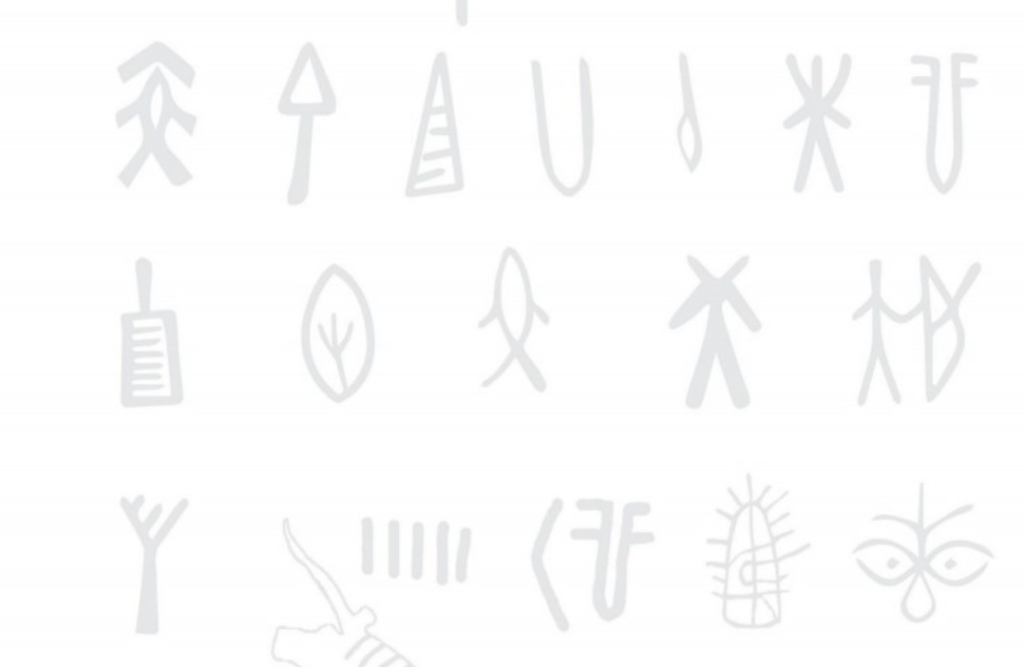
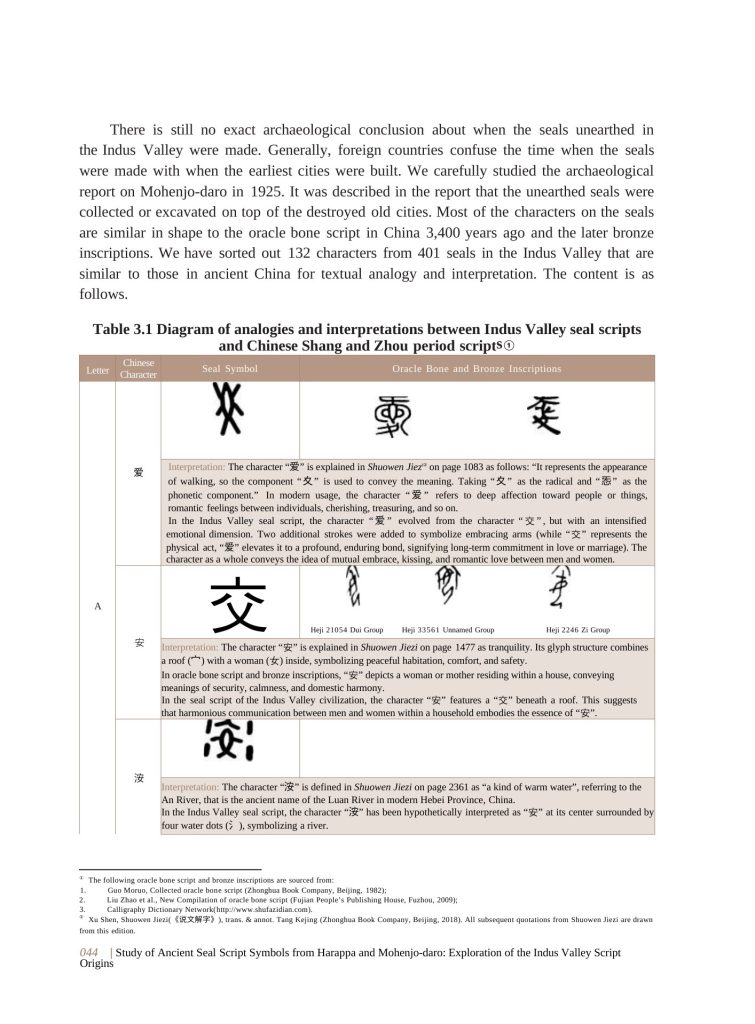
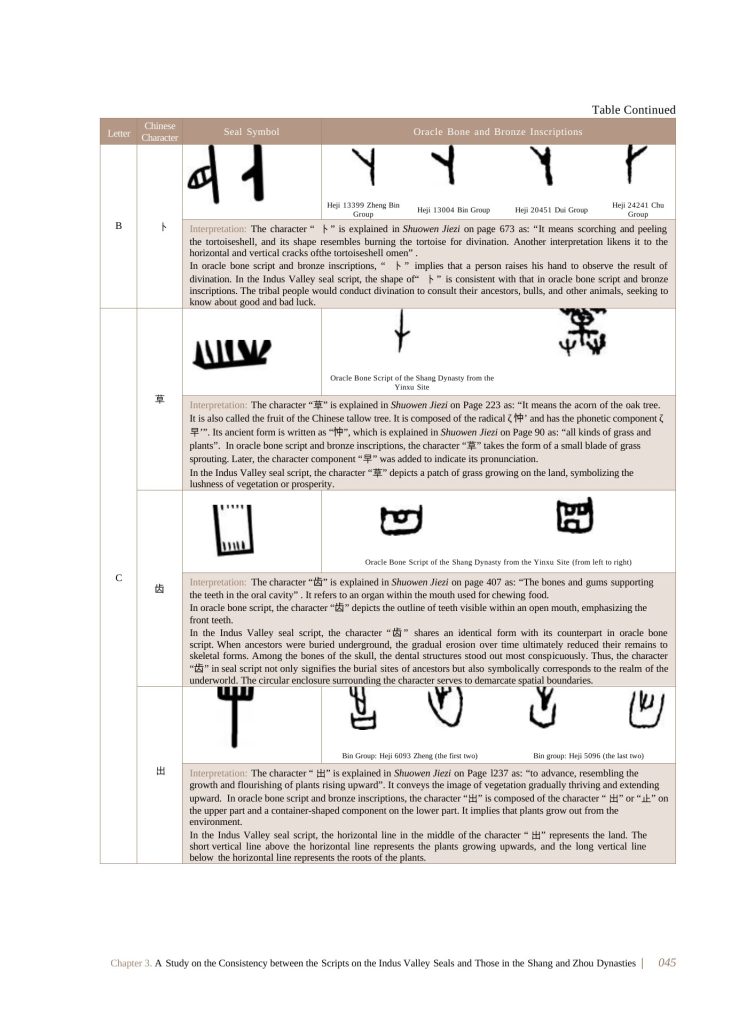
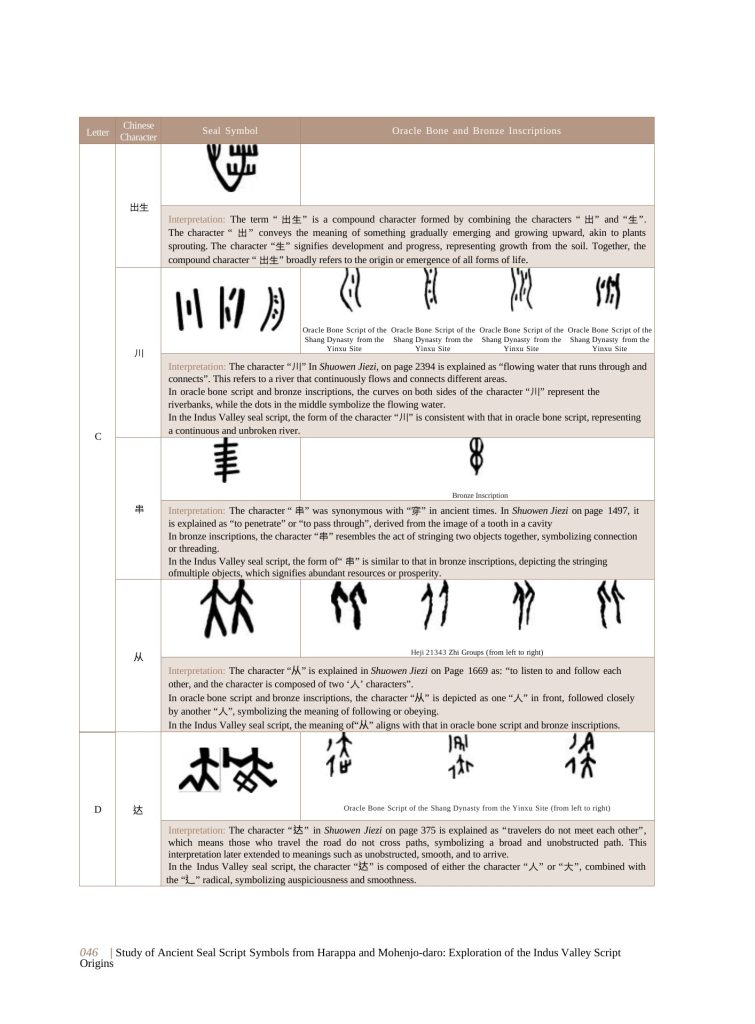
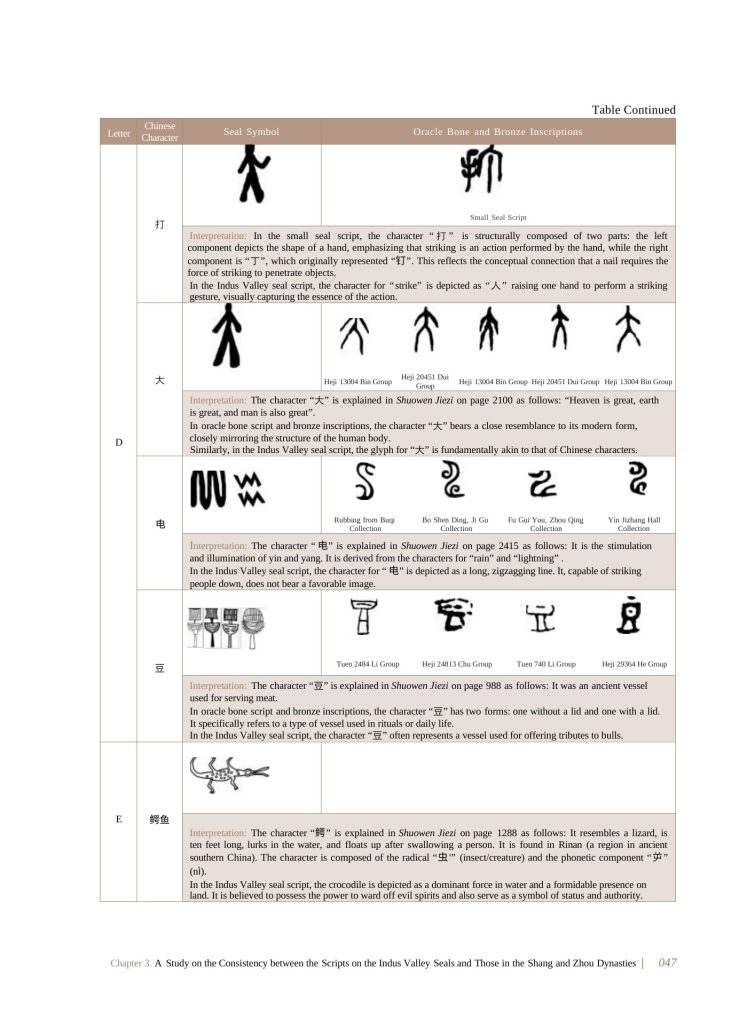
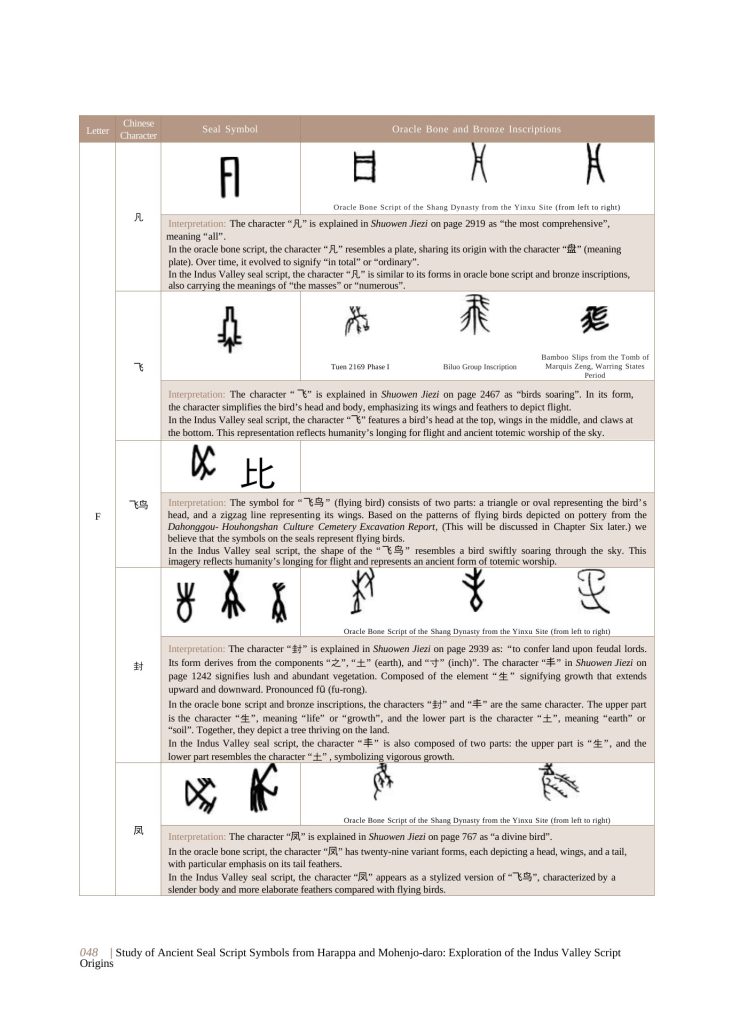
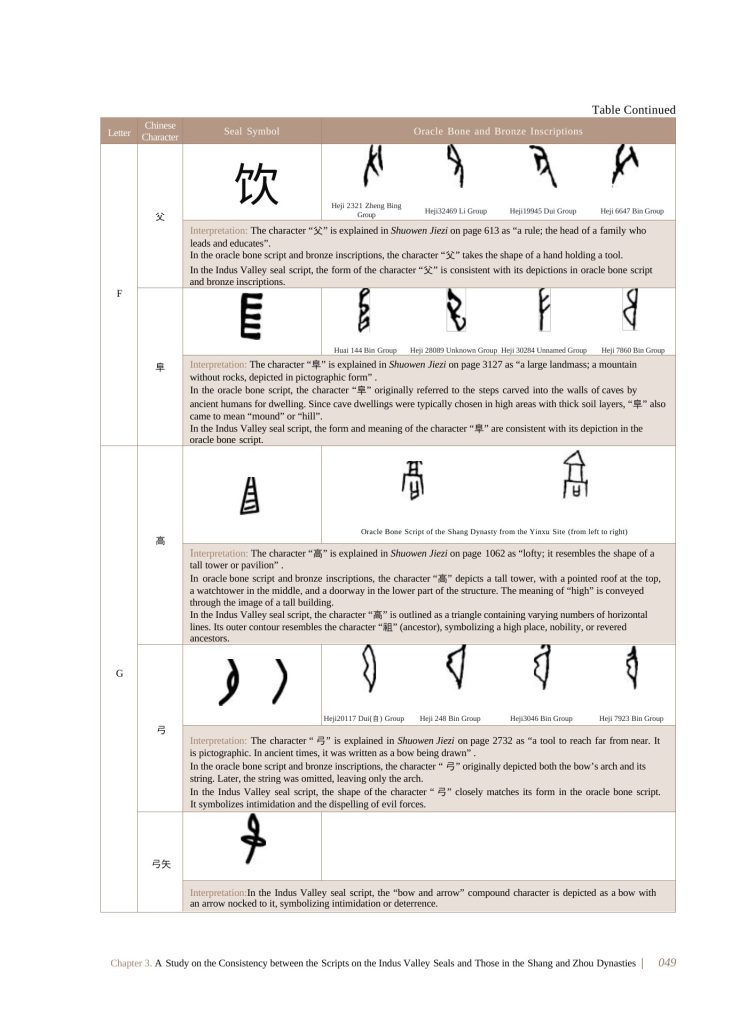
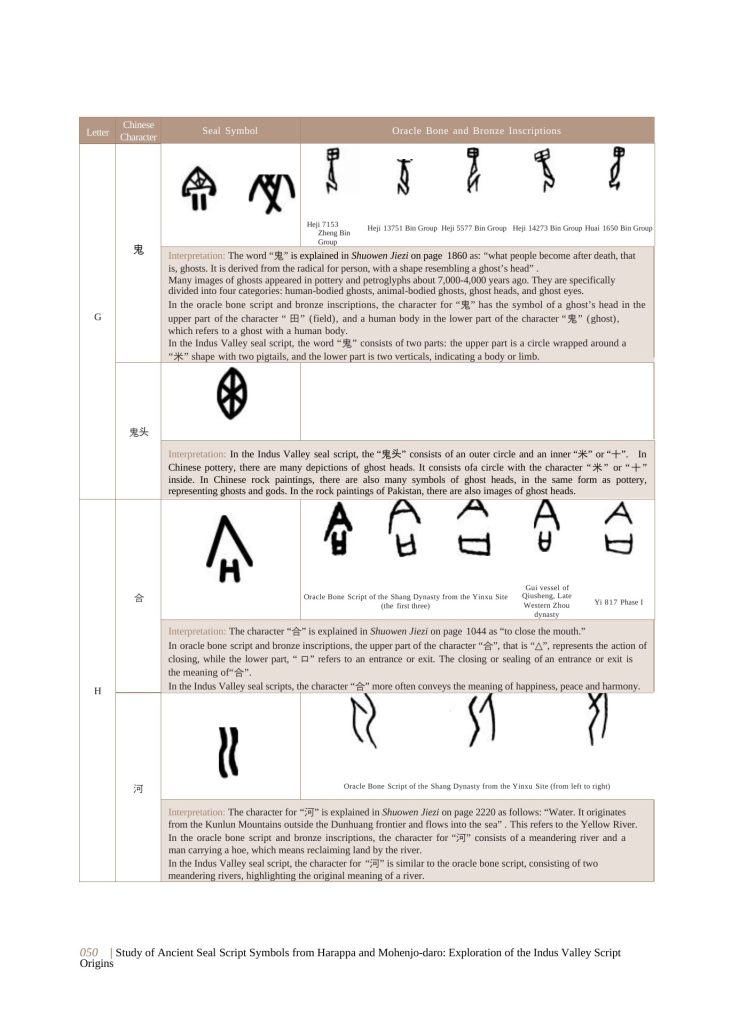
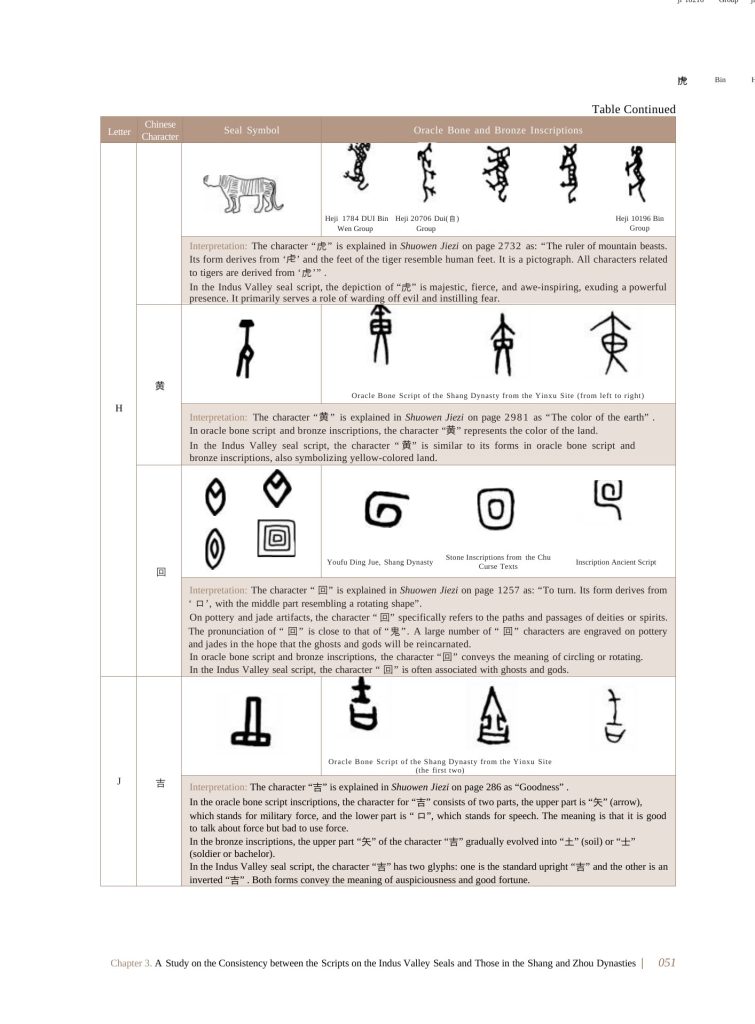
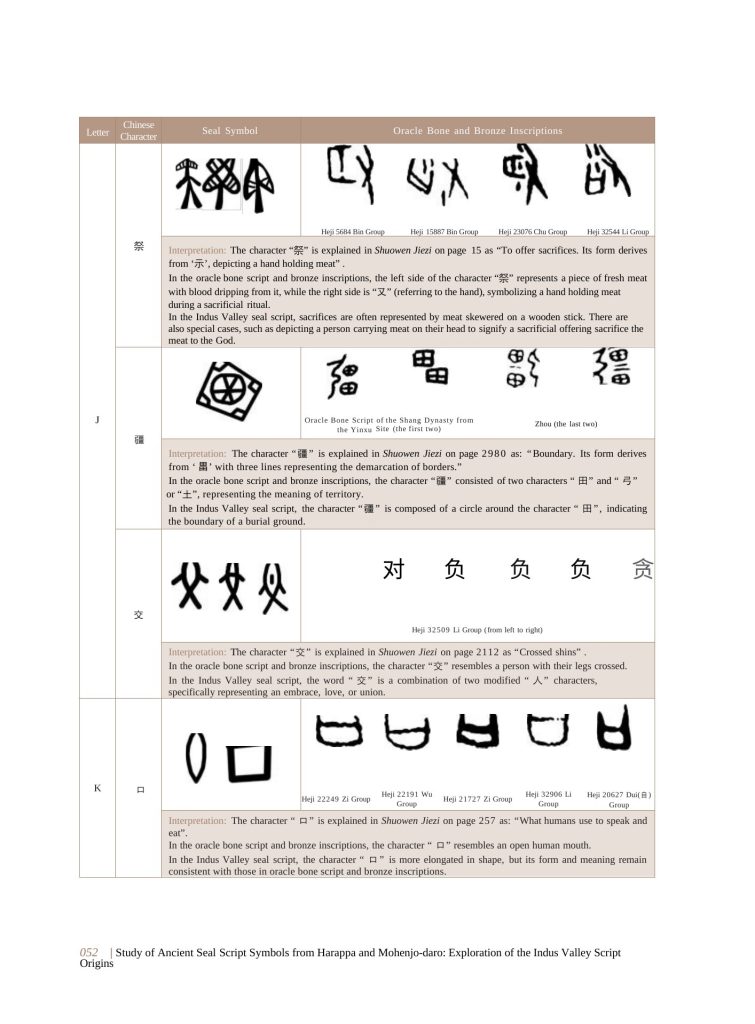
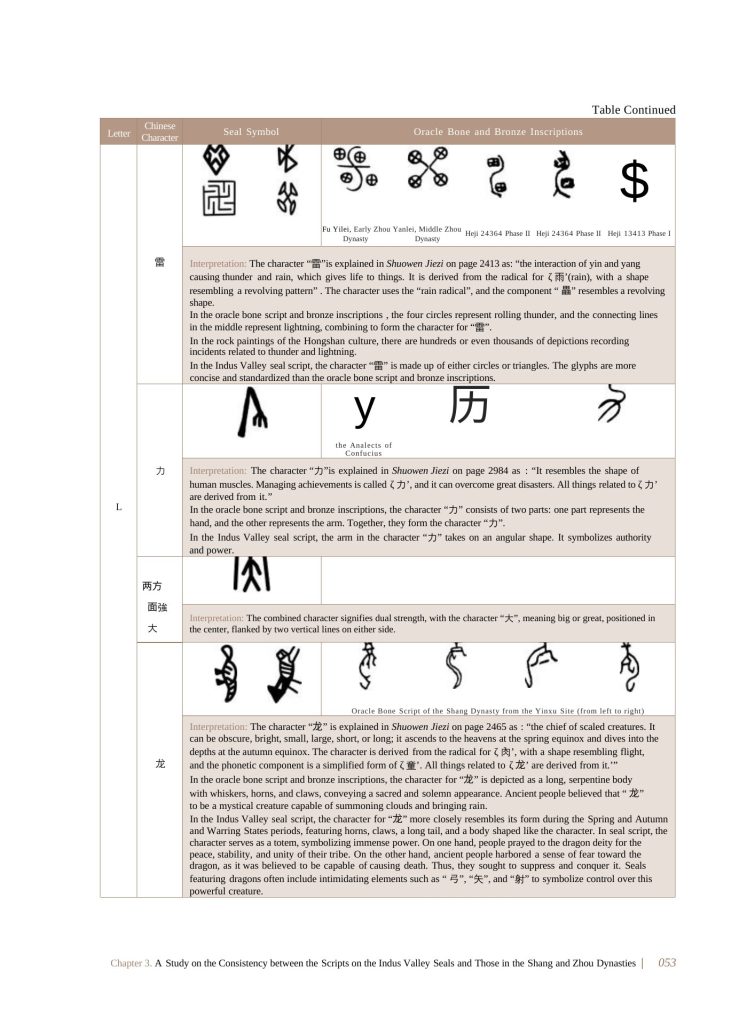
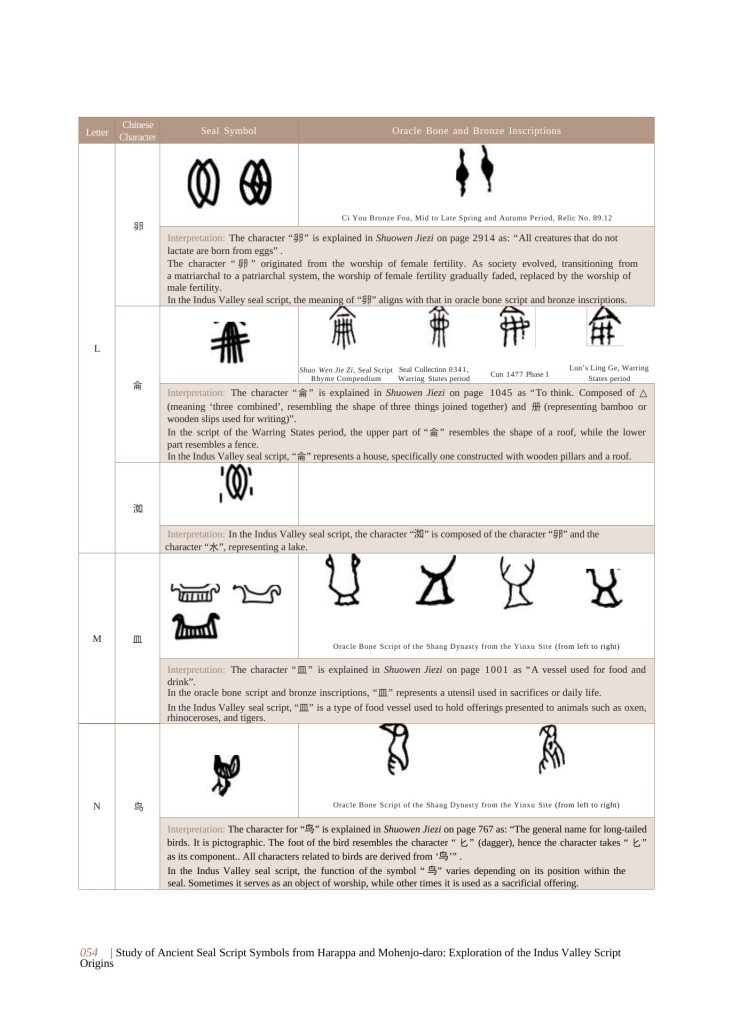
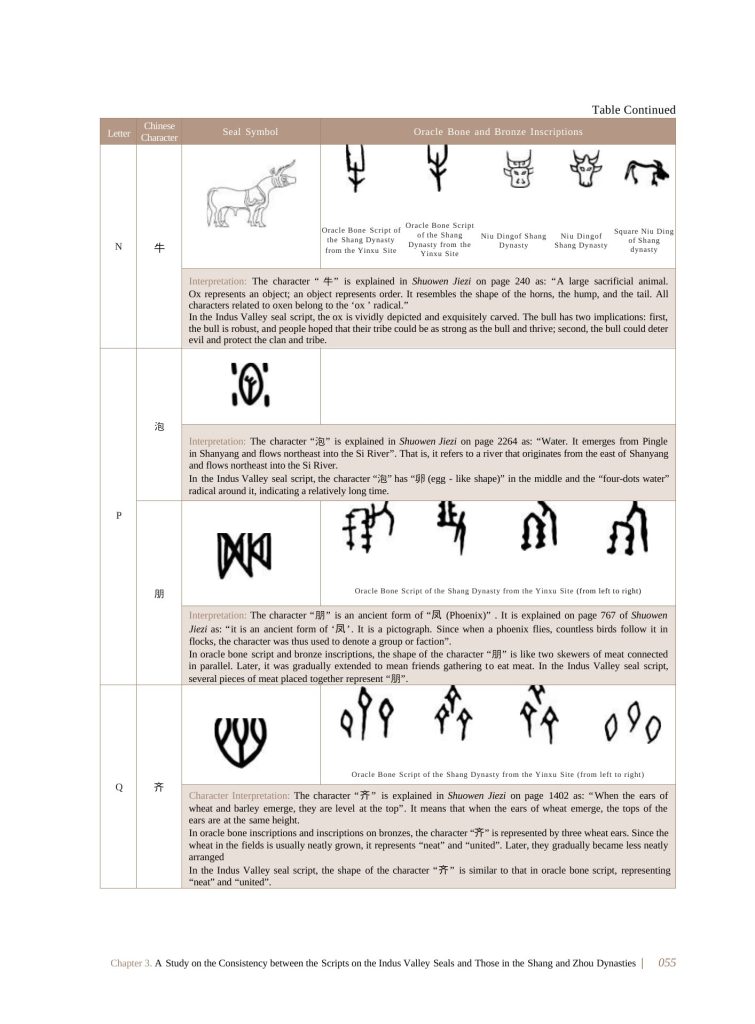
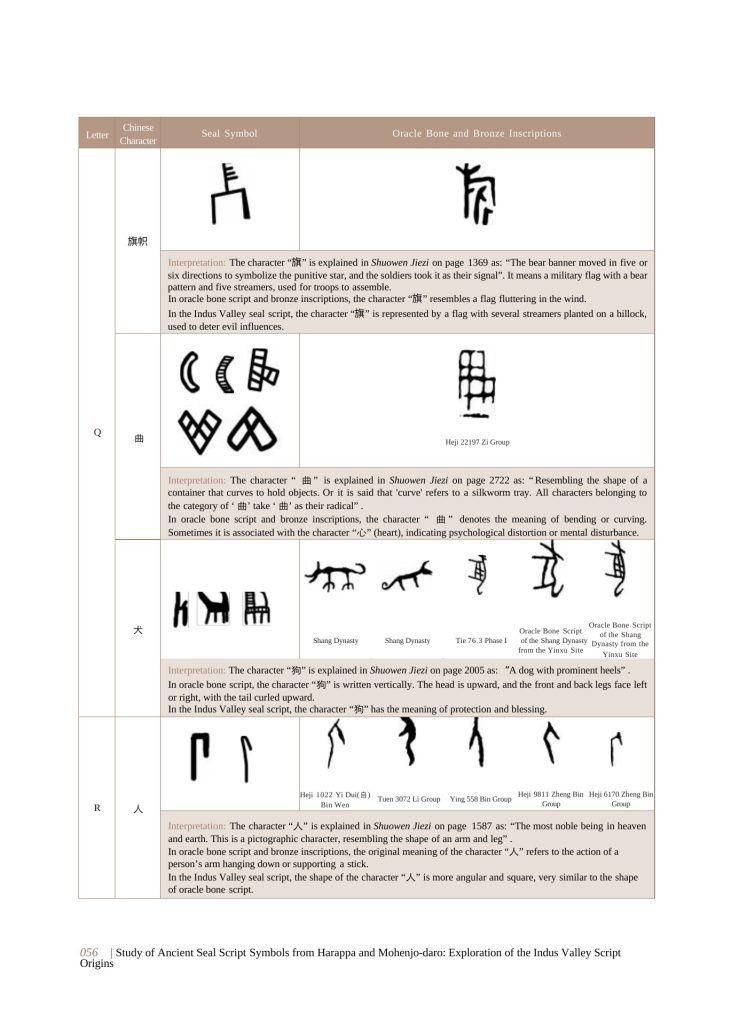
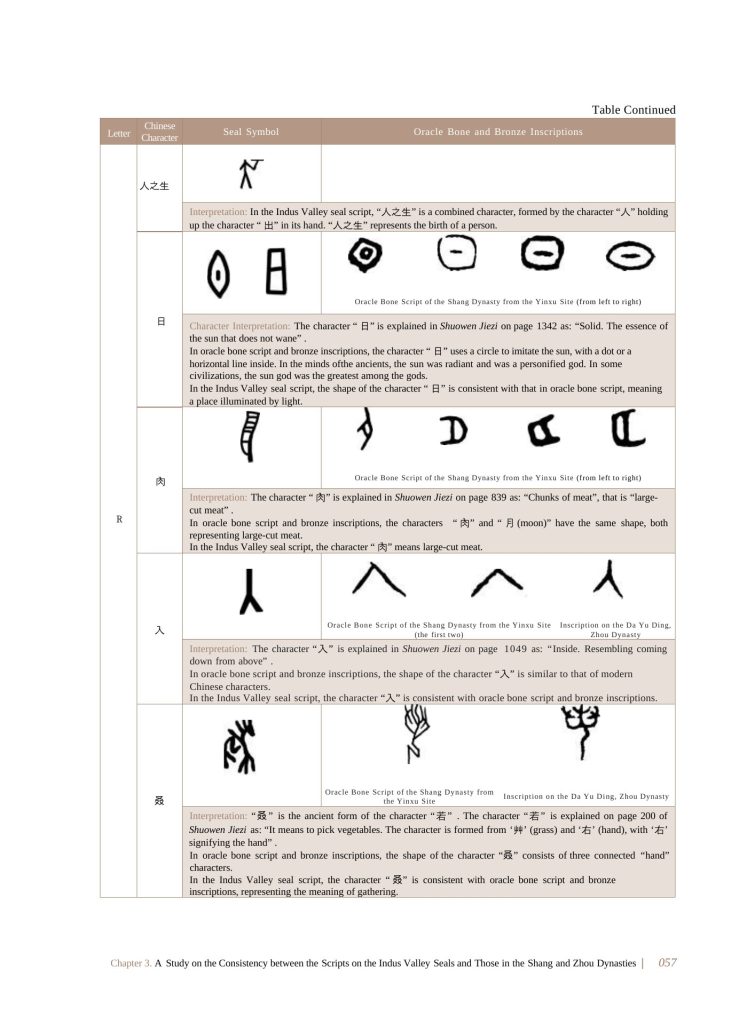
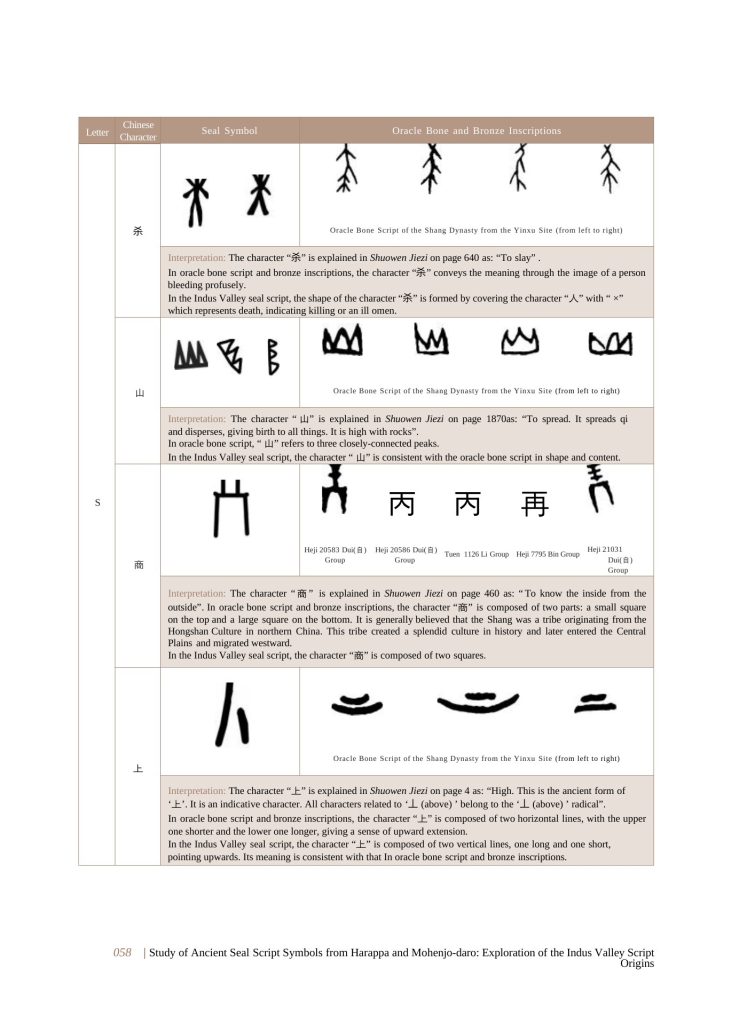
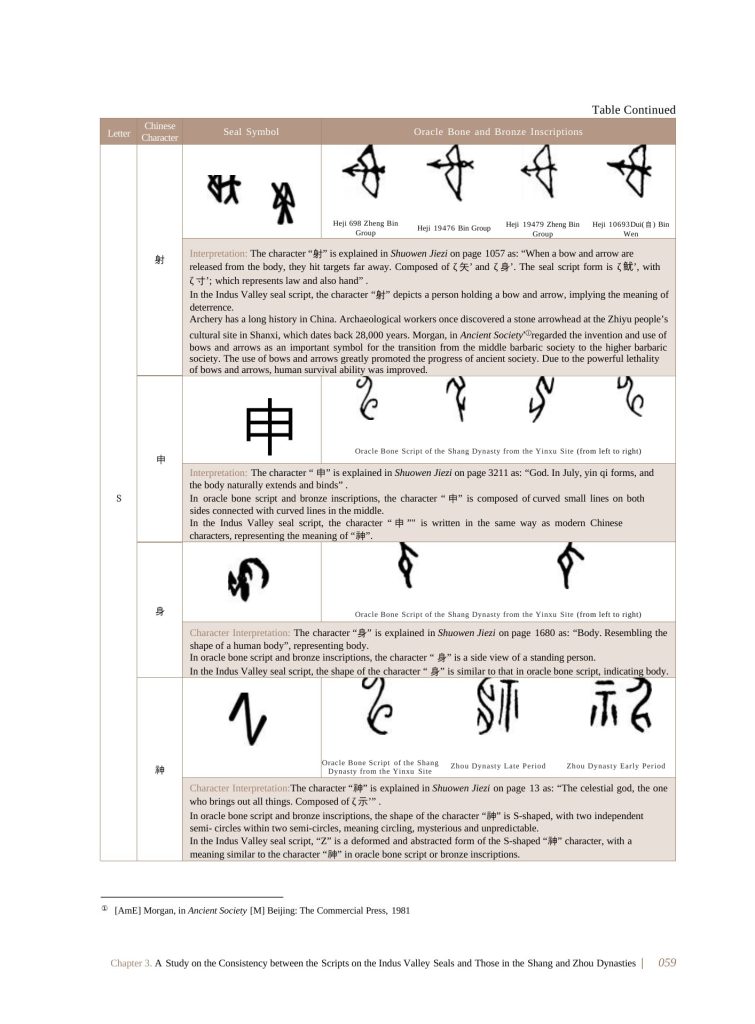
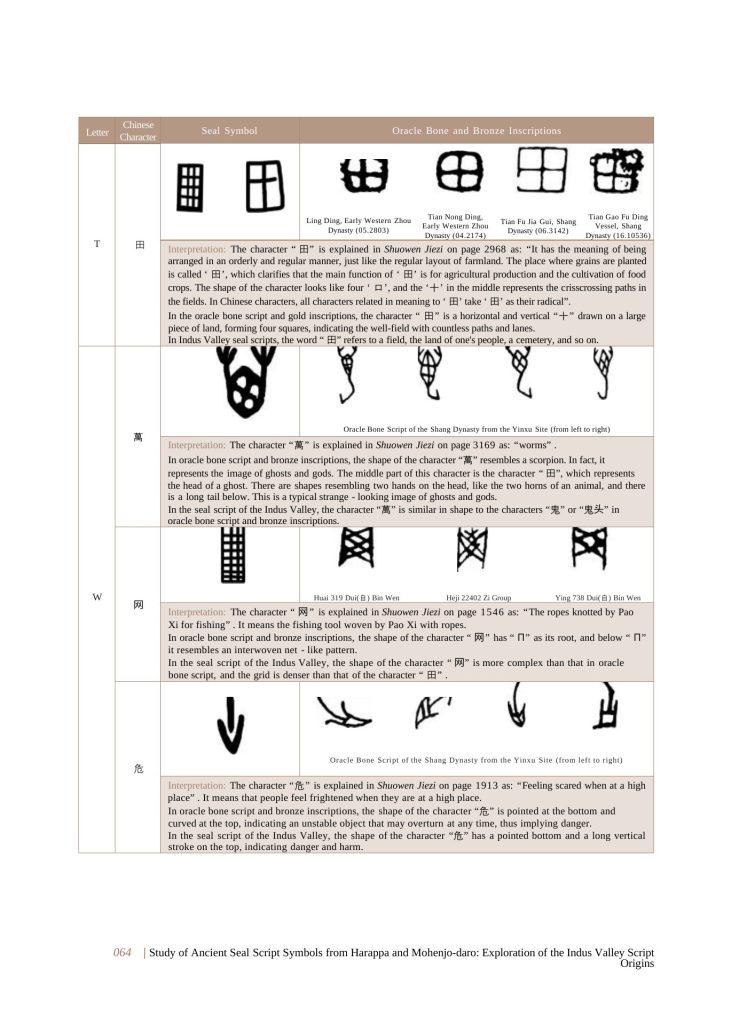
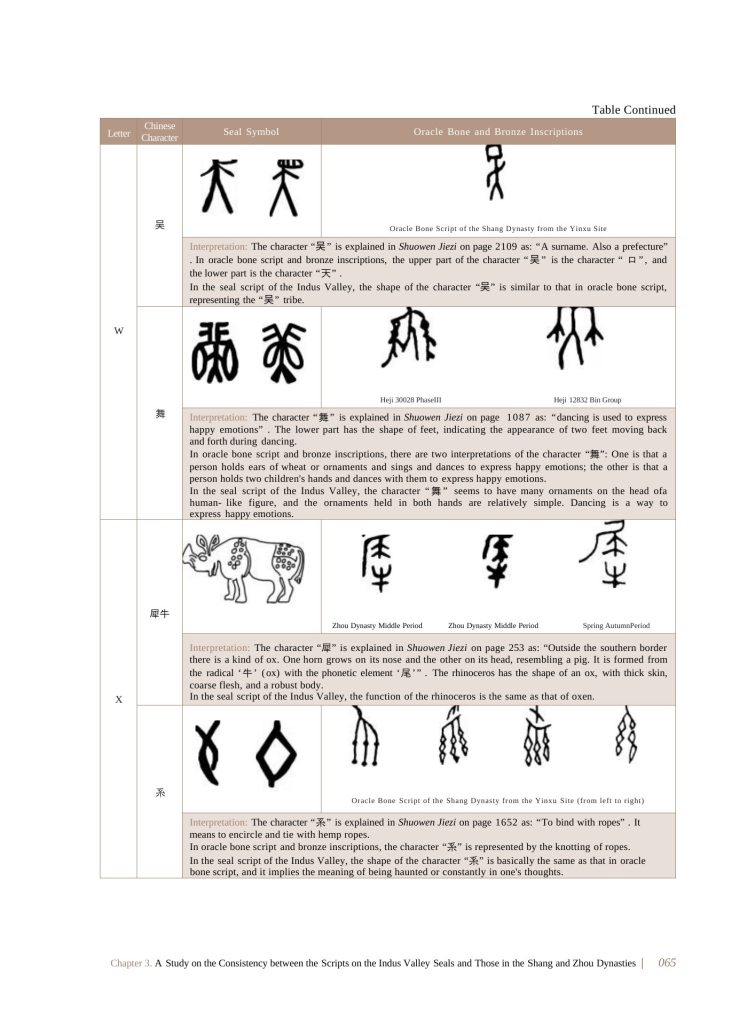
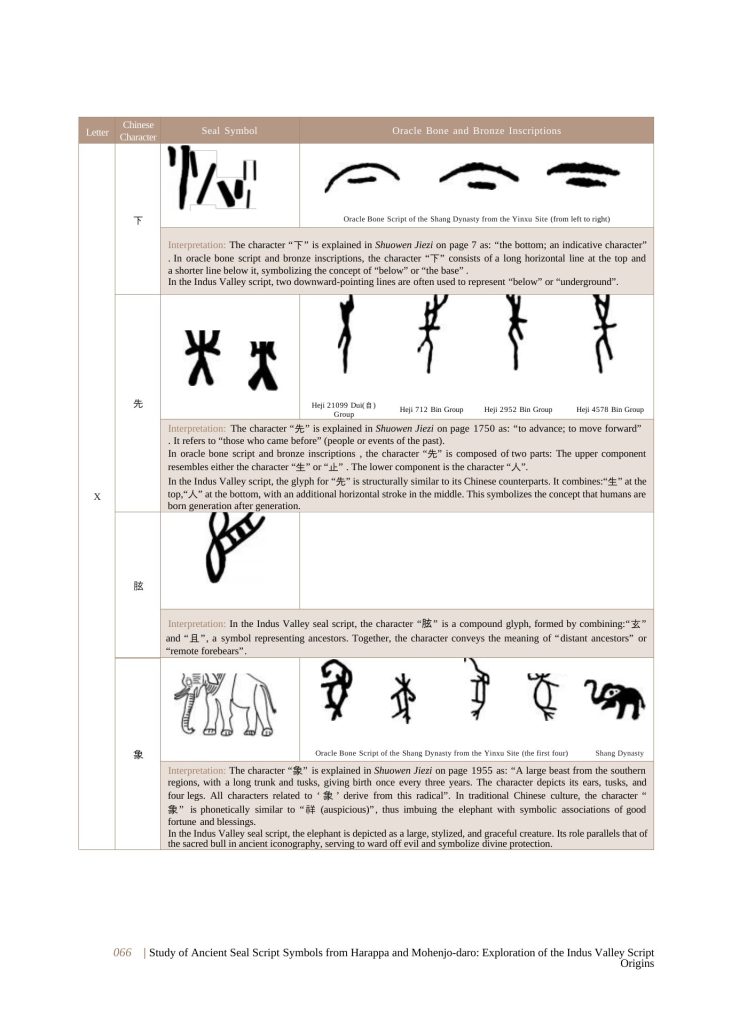
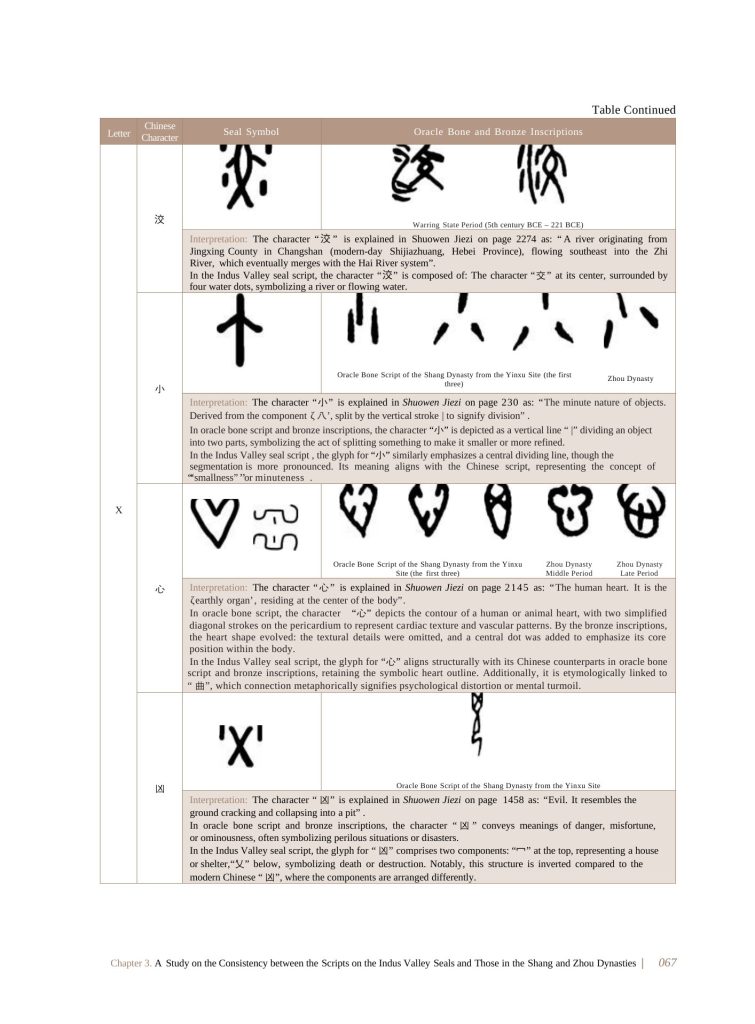
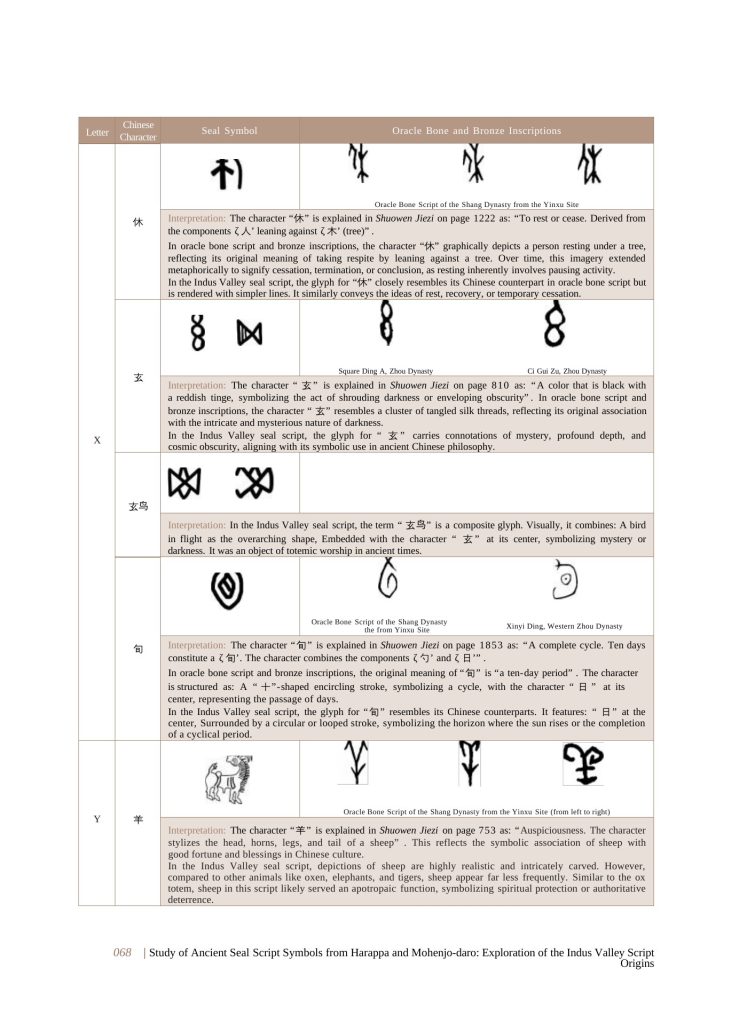
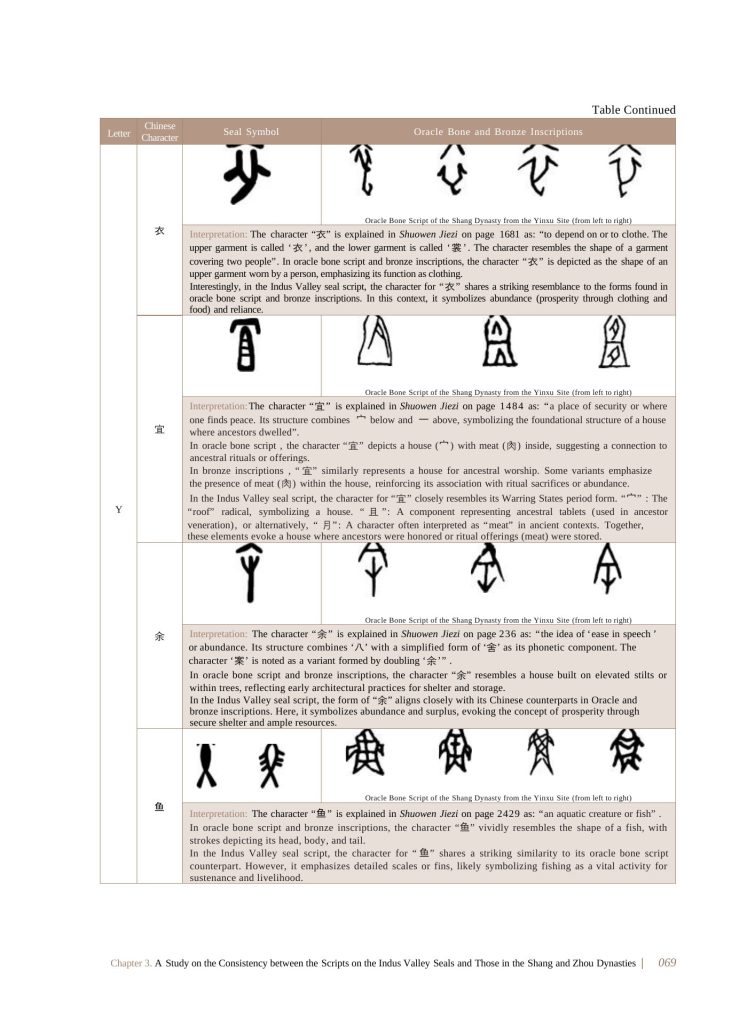
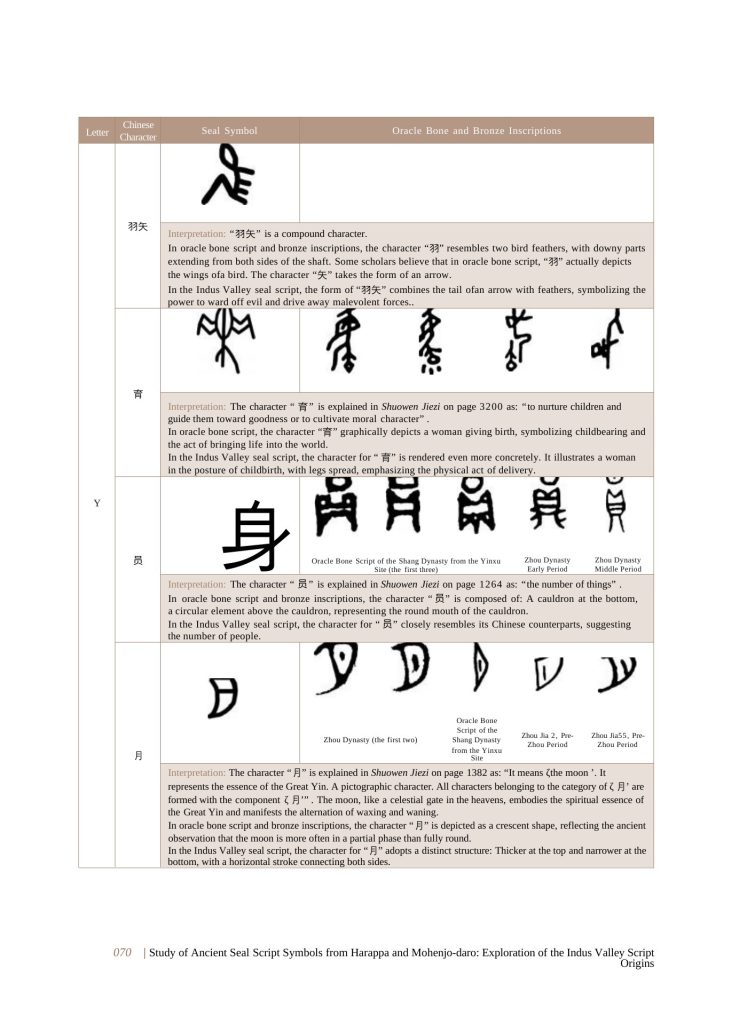
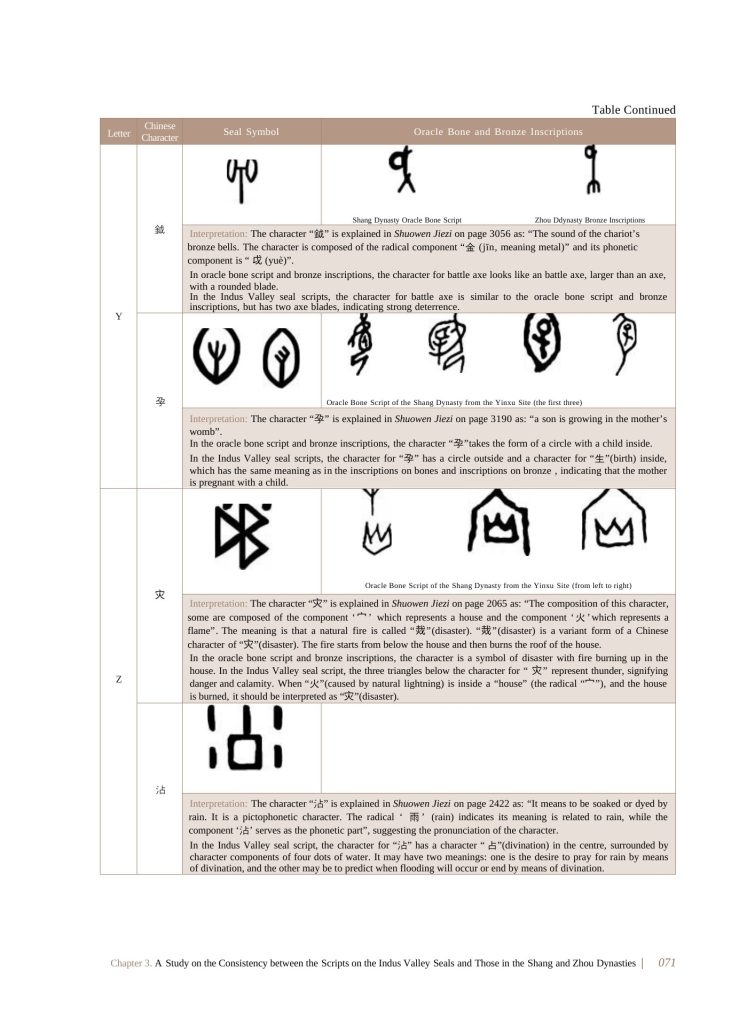
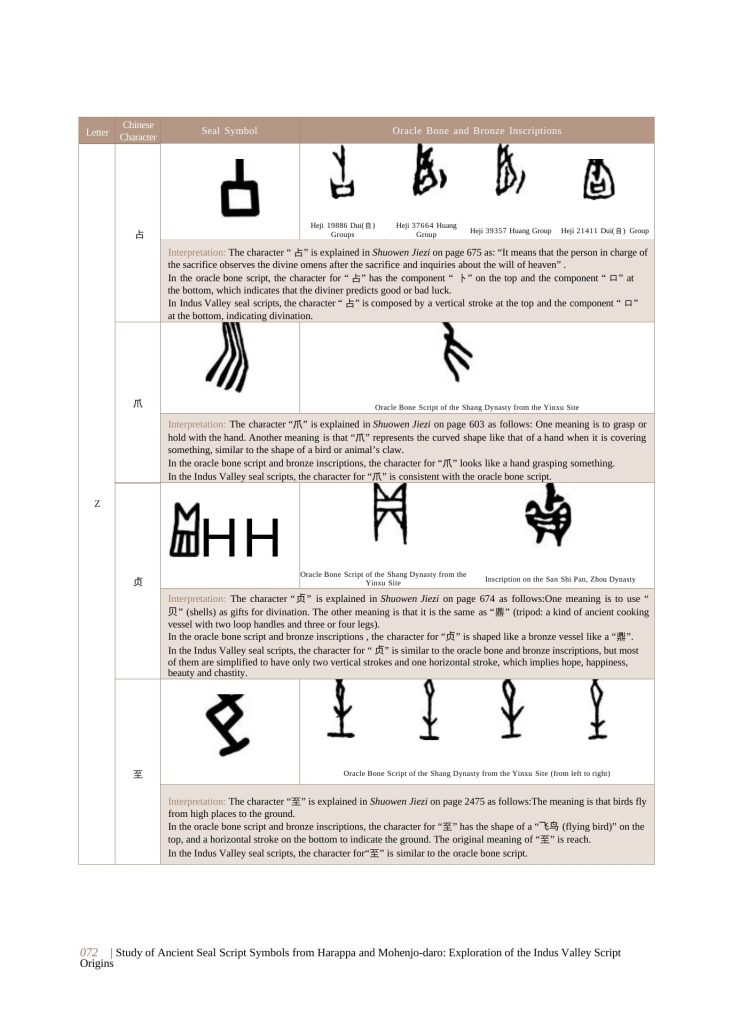
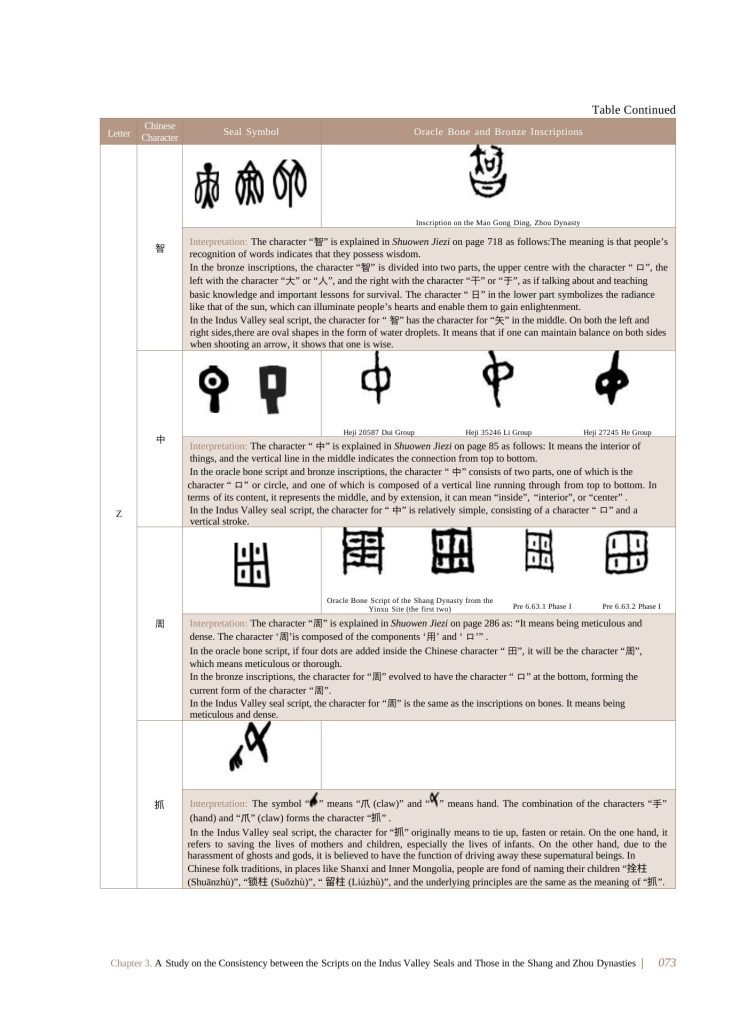
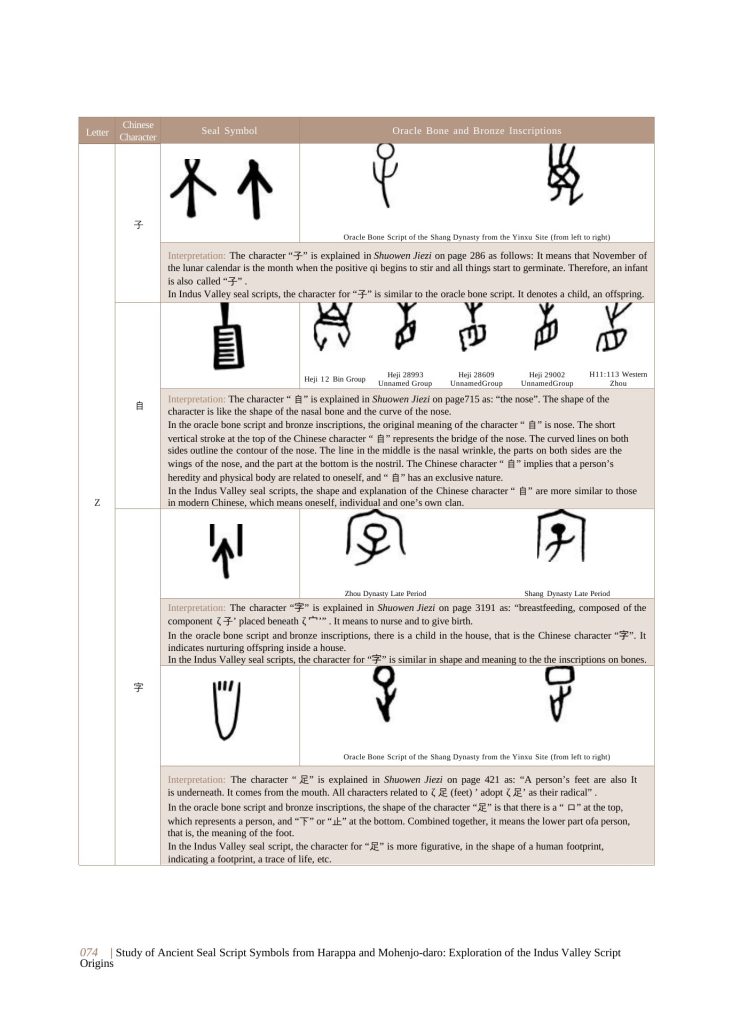
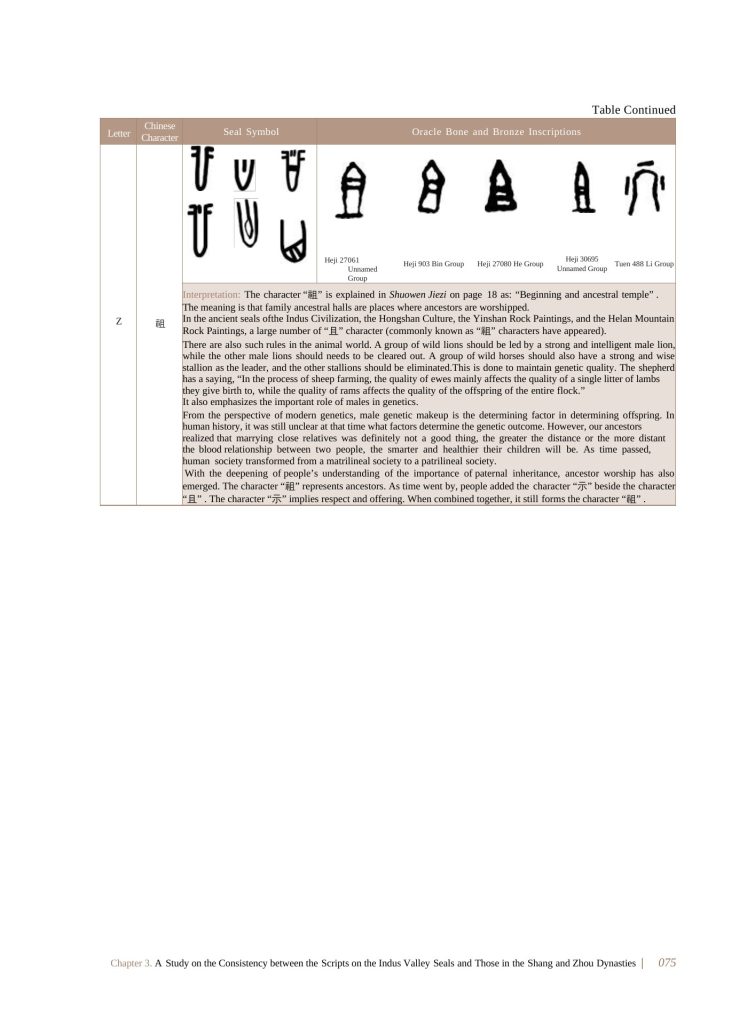
This study compares selected signs on Indus Valley seals with Shang oracle-bone forms and Zhou bronze inscriptions through visual analogy, semantic grouping, and iconographic interpretation. The comparative catalogue includes human figures, trees, rivers, vessels, animals, bows, arrows, houses, enclosures, and abstract forms associated with rotation, growth, strength, and order.
The Indus script has not yet been universally deciphered. For this reason, proposed correspondences should be understood as interpretive hypotheses based on form, context, and symbolic association. Shape similarity provides a meaningful research path, but it should be examined together with archaeology, chronology, sign frequency, usage context, and comparative palaeography.
Scope of the Study
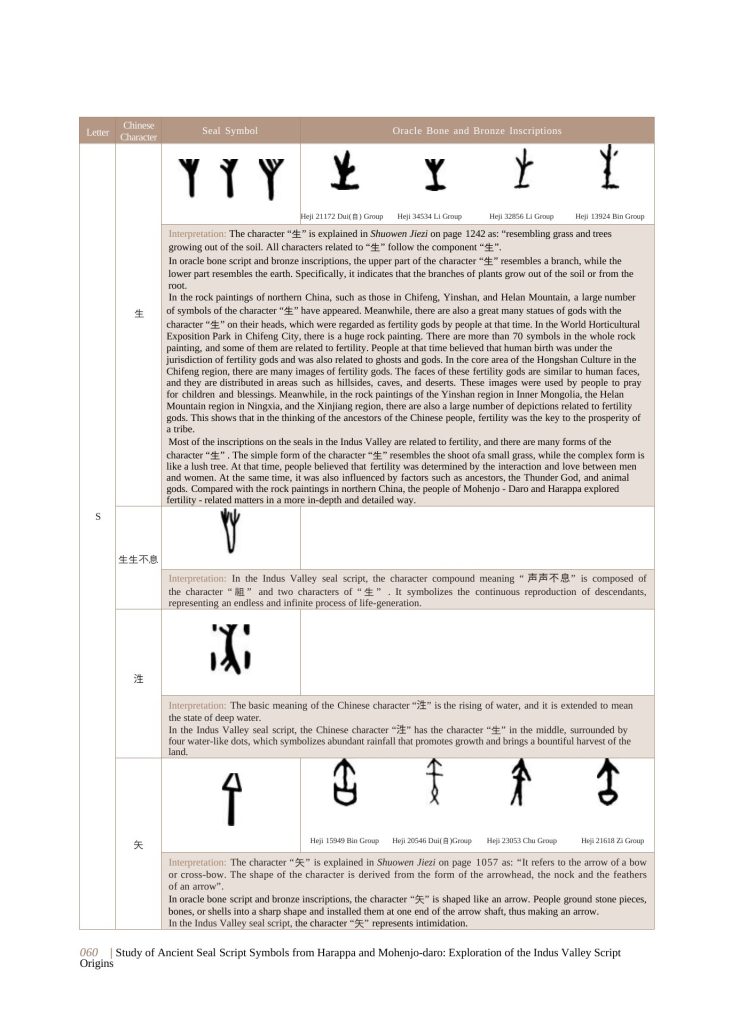
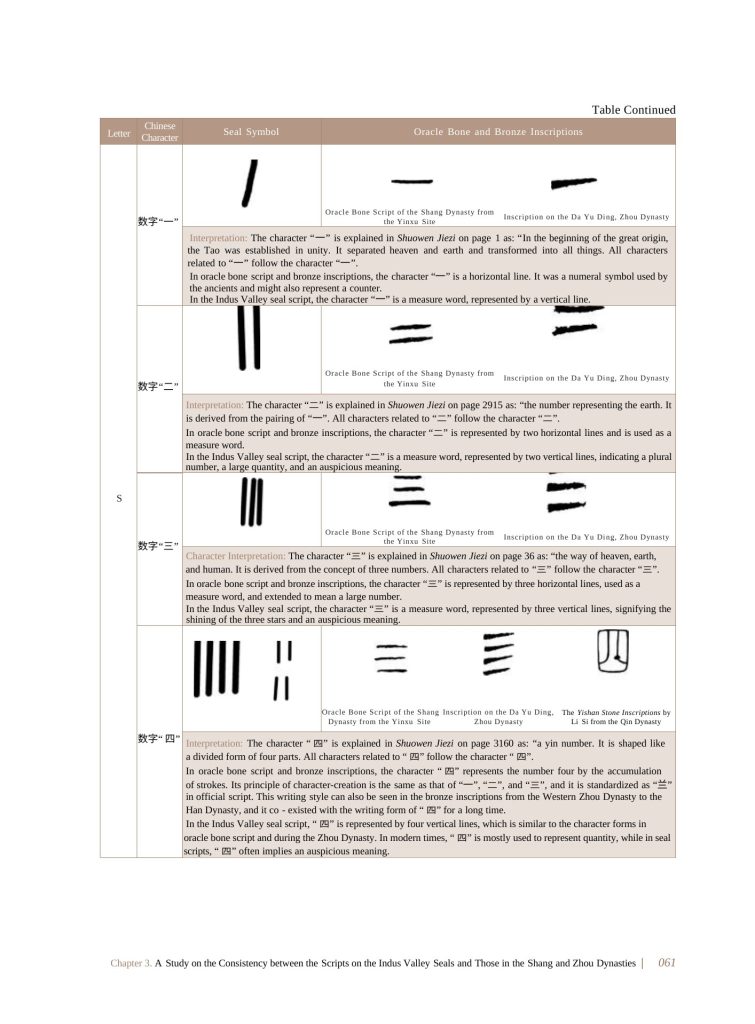
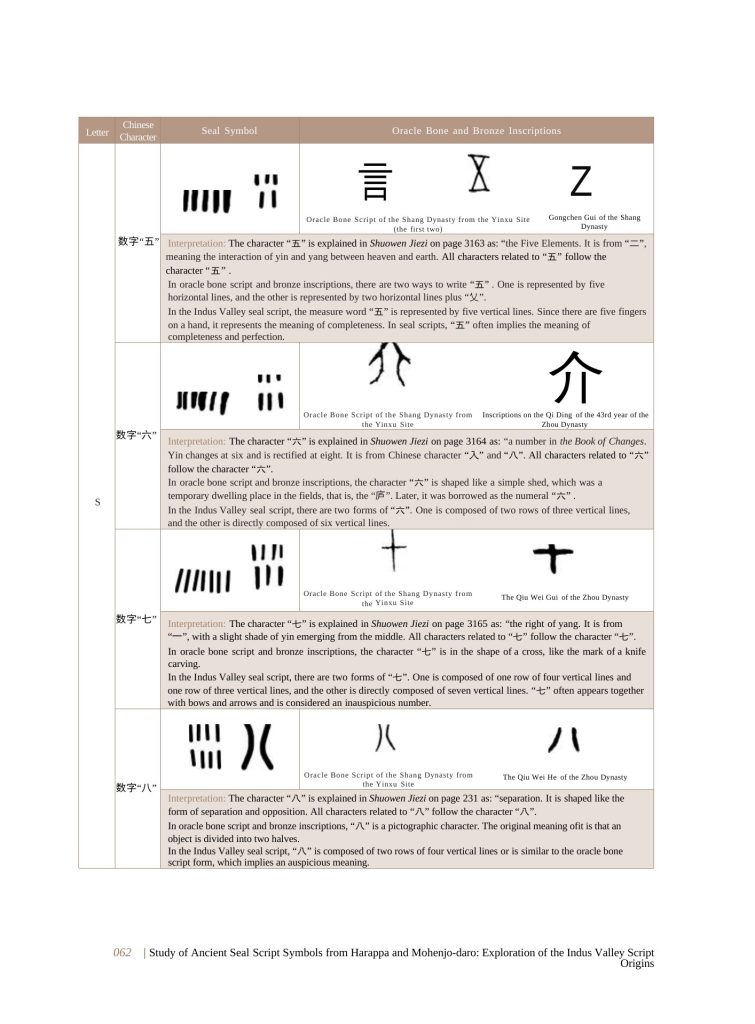
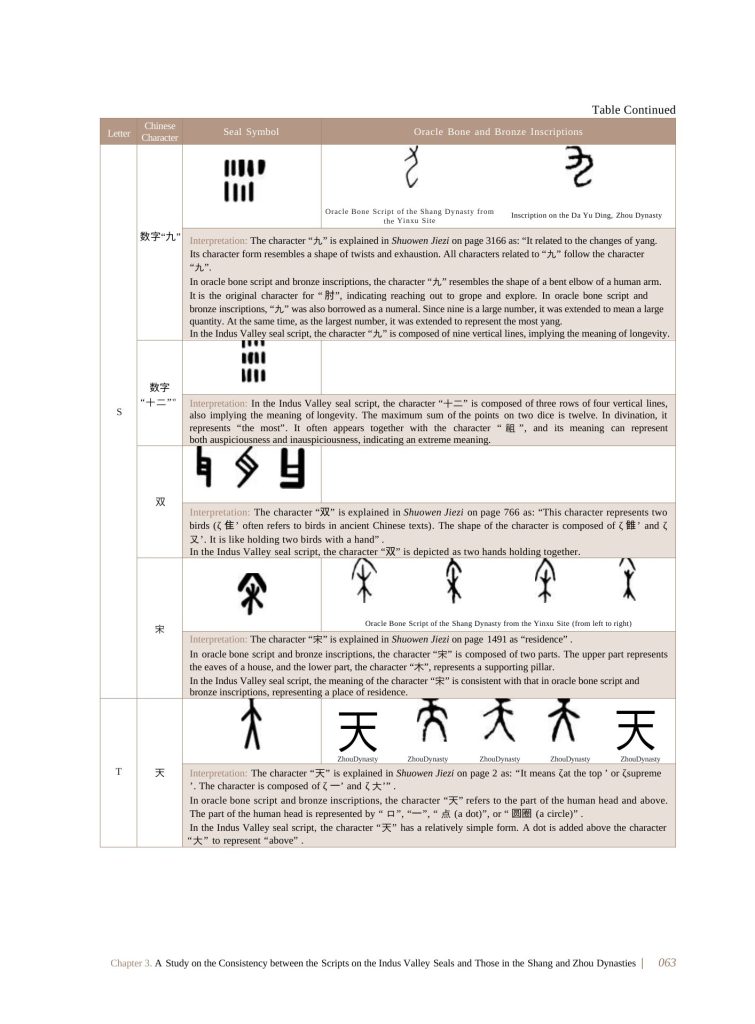
The comparative framework is built around a catalogue of signs selected from 401 Indus Valley seals, with 132 entries arranged for comparison with ancient Chinese script forms.
401Indus seals surveyed
132comparative sign entries
Shang–Zhouscript comparison horizon
Multiplesemantic and ritual fields
Principles for Responsible Comparison
Comparative study of ancient scripts requires both imagination and restraint. The visual evidence is valuable, but interpretation must distinguish between resemblance, possible shared symbolic logic, and demonstrable historical connection.
Visual morphology
Signs are compared through line structure, direction, enclosure, symmetry, branching, angularity, and repetition.
Semantic field
Signs are grouped by recurring themes such as fertility, offering, settlement, animal power, water, divination, and authority.
Historical caution
Graphic resemblance is treated as a basis for further research rather than automatic proof of direct transmission or complete decipherment.
Research Value and Cultural Significance
Indus Valley Seals
Indus seals often combine short sign sequences with animal or emblematic imagery. They may have served functions related to administration, exchange, ownership, ritual display, or social identification.
Shang and Zhou Scripts
Oracle-bone inscriptions and bronze inscriptions preserve early Chinese writing in ritual, political, and ancestral contexts, offering a rich body of material for the study of pictorial signs and their standardization.
Shared Symbolic Fields
Both traditions repeatedly employ animals, vessels, human actions, natural phenomena, boundaries, and sacred signs. These motifs reflect concerns with prosperity, power, sacrifice, protection, and communication with unseen forces.
Interdisciplinary Contribution
This comparative model connects archaeology, palaeography, art history, and cultural anthropology. It offers a structured way to classify signs, test hypotheses, and study early symbolic cognition.
Annotated Comparative Catalogue
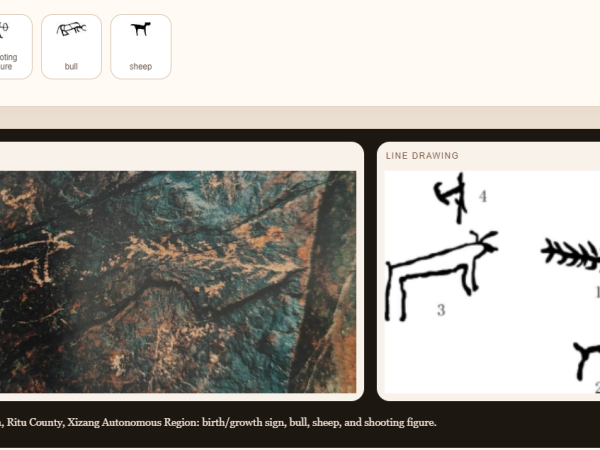
The following catalogue plates preserve the comparative tables, signs, icon groups, captions, footnotes, and visual annotations. Each plate can be enlarged by using the browser zoom function.
Plate 1Plate 2Plate 3Plate 4Plate 5Plate 6Plate 7Plate 8Plate 9Plate 10Plate 11Plate 12Plate 13Plate 14Plate 15Plate 16Plate 17Plate 18Plate 19Plate 20Plate 21Plate 22Plate 23Plate 24Plate 25Plate 26Plate 27Plate 28Plate 29Plate 30Plate 31Plate 32Plate 33Plate 34
Selected References
- Xu Shen, Shuowen Jiezi, translated and annotated by Tang Kejing. Beijing: Zhonghua Book Company, 2018.
- Guo Moruo, Collected Oracle Bone Script. Beijing: Zhonghua Book Company, 1982.
- Liu Zhao et al., New Compilation of Oracle Bone Script. Fuzhou: Fujian People’s Publishing House, 2009.
- Studies on Harappan seals, tablets, and the Indus script tradition.
- Comparative studies of early Chinese palaeography, bronze inscriptions, and ancient sign systems.
Comparative Study of Ancient Glyph Systems