Edited by : TJ
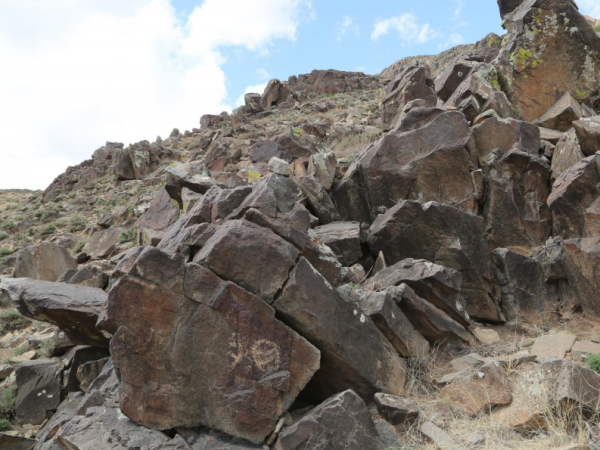
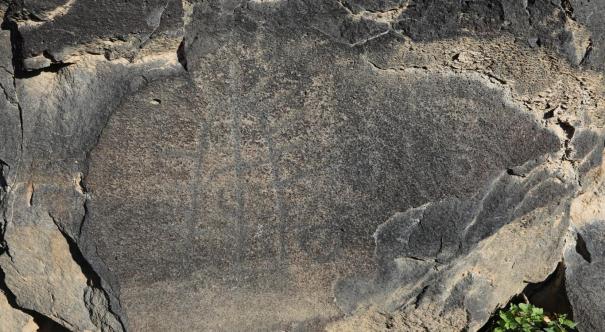
Across the mountains and river basins of northern China, carved and painted rock images preserve a visual language of memory, lineage, fertility, animals, and ritual power.
Hongshan Cultural Context
Hongshan Culture, named after the Hongshanhou site in Chifeng, Inner Mongolia, flourished in northeastern China approximately 6,500–5,000 years ago. Its archaeological record includes settlements, burials, ritual architecture, painted pottery, stone tools, and especially jade objects such as coiled dragons and human- or animal-shaped ornaments.
The Niuheliang complex is especially important because its altars, stone mounds, ceremonial platforms, and “Goddess Temple” reveal a highly organized ritual landscape. Within this broader cultural world, ancestor veneration, fertility concerns, animal symbolism, and appeals to natural forces formed part of an evolving spiritual imagination.
6,500–5,000Approximate years before present for Hongshan Culture in current public archaeological descriptions.
ChifengA major region for Hongshan sites and for rock-art materials discussed in this feature.
RitualAncestor worship, fertility, animal imagery, and heaven–earth beliefs are key interpretive themes.
CautionSymbolic readings are hypotheses, not universally accepted decipherments.
Selected Rock-Art Panels and Revised Interpretations
The following entries transform the original descriptive notes into polished English suitable for a cultural-heritage website. Measurements and locations follow the supplied source material, while interpretation has been refined to meet current standards of archaeological caution.
FIGURE 2.1 · HEXIGTEN BANNER, CHIFENG · 41 × 56 CM
Ancestors, Fertility, and the Human Face
This panel from the front-mountain rock paintings of Hexigten Banner combines abstract linear motifs with a human-face-like image. The original study interprets several forms as symbols associated with ancestry and birth. A more cautious reading is that the panel brings together three ideas central to early ritual life: remembrance of forebears, the continuity of the group, and the hope for successful reproduction.
The radiating form may have been understood visually as a source of vitality, illumination, or sacred presence. Rather than translating the image as a fixed “word,” it is best described as a ritual sign through which a community may have expressed protection, renewal, and lineage continuity.
ancestor memoryfertilityhuman-face motifritual protection
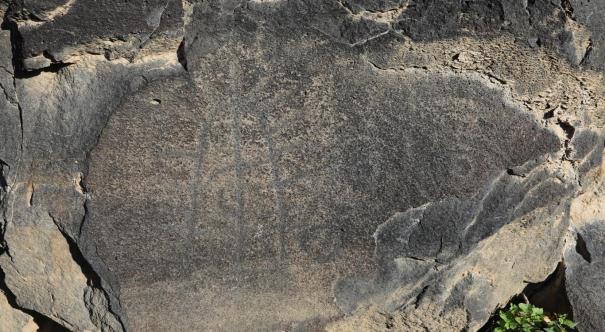
FIGURE 2.2 · BAIRIN RIGHT BANNER, CHIFENG · 95 × 96 CM
Gathering, Offering, and Ancestral Presence
The panel recorded from the Camel Jingshi Mountains contains human-like forms, animal imagery, and a central symbolic cluster. The original text reads the scene as people praying around ancestral signs and presenting offerings. In a heritage interpretation, this may be framed as a scene of communal ritual activity in which human figures, animals, and abstract signs together mark an encounter with ancestral or supernatural powers.
The possible goat or sacrificial animal motif is especially significant. Across many early societies, animals were not only food resources but also ritual media through which people negotiated protection, prosperity, and social identity. The composition therefore suggests a relationship between sacrifice, memory, and group continuity.
communal ritualanimal offeringancestral powergroup prosperity
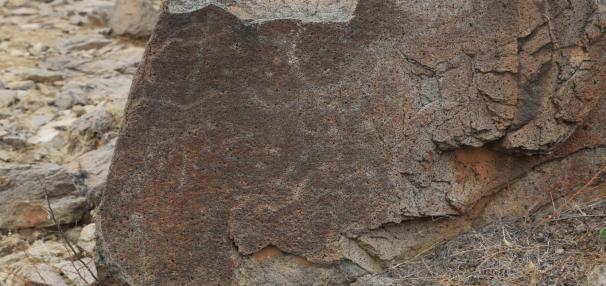
FIGURE 2.3 · THREE MOUNTAINS, BAIRIN RIGHT BANNER · 95 × 60 CM
Thunder, Danger, and Ancestral Protection
This rock-art panel is interpreted in the source material as combining a thunder-related motif with an ancestor-related motif. Such a reading points to an important aspect of prehistoric religious thought: natural forces were often experienced not as abstract phenomena but as powers that could threaten, transform, or bless human life.
A responsible interpretation allows for more than one possibility. The image may express a prayer for protection against lightning and sudden death; it may commemorate an event associated with thunder; or it may simply place a human or ancestral sign beside a dynamic natural symbol. In all cases, the panel invites us to see rock art as a medium for responding to uncertainty in the natural world.
thunderriskancestral protectionnatural forces
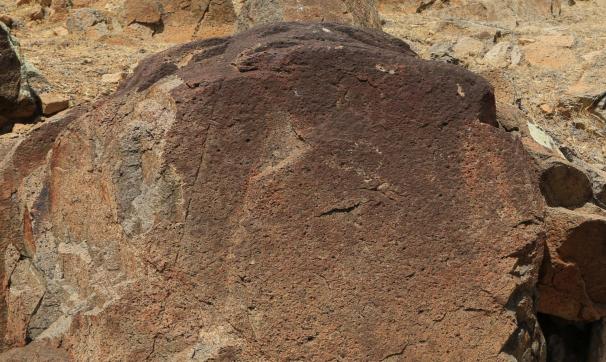
FIGURE 2.4 · KANGJIAWANZI, SONGSHAN DISTRICT, CHIFENG · CENTRAL FORM 18 × 28 CM
Childbirth, Spirits, and Ritual Blessing
The Kangjiawanzi panel places a large central motif near smaller circular and face-like forms. The original interpretation connects the composition with birth, ancestors, and spirits. Reframed for a modern web audience, the panel may be understood as a visual meditation on the vulnerability and sacredness of childbirth.
In many prehistoric communities, the survival of mothers, infants, and lineages was closely tied to ritual practice. Images like this may have helped transform anxiety into prayer, and biological reproduction into a collective spiritual concern. The panel thus offers a window into how early communities may have imagined protection at moments of transition.
childbirthspirit imagerylineage continuityritual blessing
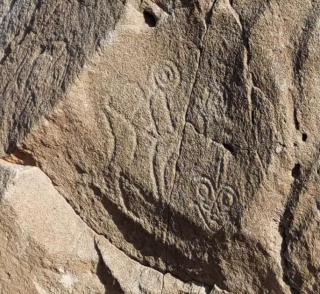
FIGURE 2.5 · GOUMEN MOUNTAIN, HEXIGTEN BANNER
Animals, Offerings, and the Ritual Landscape
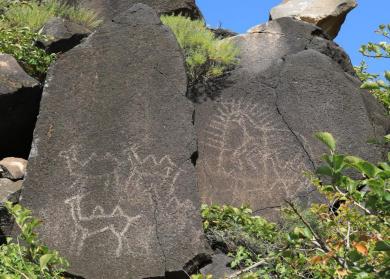
This lively panel includes human-like marks, animal figures identified in the source as Bactrian camels, possible offering animals, a horse, and a bow-like sign. Compared with the more abstract panels above, this composition foregrounds movement, animal presence, and social action.
The scene may indicate hunting, herding, offering, or a later addition to an older symbolic landscape. Because animal motifs in northern Chinese rock art can belong to different periods, chronological attribution requires close fieldwork, attention to superimposition, weathering, carving technique, and local archaeological context. Its strongest value for public interpretation lies in showing how ritual memory, mobility, and animal symbolism could gather on the same rock surface.
animal imagerymobilityofferingchronological caution
Why These Images Matter Today
Rock art and seals invite us to study the earliest visual systems of human communication with both imagination and discipline. They are not merely “pictures”; they are traces of ritual life, social memory, landscape use, and the human desire to connect birth, death, ancestry, and cosmic order.
DocumentationHigh-resolution photography, 3D scanning, GIS mapping, and pigment or surface analysis can help preserve fragile panels and clarify carving sequences.
InterpretationPublic interpretation should distinguish description from hypothesis, and should clearly explain where evidence is strong, uncertain, or still debated.
DialogueCross-cultural comparison between China and South Asia can enrich global prehistory when it is based on context, method, and respect for uncertainty.
Selected References and Source Notes
The website text is based on the supplied manuscript excerpt and revised with reference to current public scholarship on Hongshan Culture and Indus seals.
- Zhou Yushu and Wu Jicai. Chifeng Petroglyphs. Beijing: Science Press, 2022. The supplied document cites pages 84, 94, 143, and 699 for the panels discussed here.
- UNESCO World Heritage Centre. “Sites of Hongshan Culture: The Niuheliang Archaeological Site, the Hongshanhou Archaeological Site, and Weijiawopu Archaeological Site.”
- The UNESCO Courier. “Archaeological discovery of the Hongshan culture jade dragons.”
- Daggumati, Shruti, and Peter Z. Revesz. “A method of identifying allographs in undeciphered scripts and its application to the Indus Valley Script.” Humanities and Social Sciences Communications 8, 50, 2021.
- Mukhopadhyay, Bahata Ansumali. “Semantic scope of Indus inscriptions comprising taxation, trade and craft licensing, commodity control and access control.” Humanities and Social Sciences Communications 10, 972, 2023.
- Springer Nature. “Studies on the Seals and Inscribed Objects of the Indus (Harappan) Civilization.” Collection description.
© Cultural Heritage Web Feature · Edited by : TJ · Designed for public-facing educational communication